
02 Sep 2026
Beauty Device Sourcing Challenges: Manufacturer Insights
Beauty Device Sourcing Challenges: Manufacturer Insights For B2B Buyers
Global B2B buyers sourcing home‑use beauty and wellness instrument rely heavily on mainstream B2B procurement platforms to locate qualified suppliers for bulk orders, private‑label OEM and ODM projects. However, many importers, brand owners and spa‑chain purchasers are encountering consistent sourcing frustrations driven by platform algorithm rules, sales‑volume ranking mechanisms and paid advertising traffic patterns. While these large‑scale marketplaces bring massive supplier selections, they also create obstacles for buyers hoping to source innovative, trend‑forward home beauty device with cutting‑edge technical updates. This blog breaks down those real‑world sourcing pain‑points and explains core advantages of cooperating directly with an original manufacturer such as DermaRee.
Most mainstream B2B procurement platforms prioritize sales volume, historical transaction figures and paid ad placement when calculating product ranking. High‑turnover low‑cost entry‑level beauty instrument often secure top listing positions. Many of these mass‑run products are designed purely for volume sales rather than market‑driven technical iteration. Wholesale buyers may click top‑ranked listings assuming they represent the newest market‑ready tech, yet end‑up selecting outdated device that cannot help their brands build competitive differentiation in local retail markets.
Adding further complexity, a large share of top‑ranked listings are operated by trading companies instead of actual manufacturing factories. Trading intermediaries aggregate goods from multiple unknown workshops. They can offer wide product catalogs, yet they rarely participate in product R&D, hardware parameter adjustment or exclusive ODM development. When buyers request slight technical tuning, customized function adjustment or new‑trend product co‑development, traders lack in‑house engineering resources to fulfill such demands. They pass requirements backward to third‑party factories, bringing extended lead‑time, inconsistent quality and poor communication transparency for cross‑border procurement projects.
Paid advertising amplifies this industry challenge. Many suppliers invest heavily in platform sponsored ads to push low‑margin volume‑oriented beauty device toward high‑visibility slots. Advertised positions do not equal technical innovation or stable manufacturing capability. B2B purchasers without deep industry experience may mistake ad‑driven top rankings as proof of advanced product performance. After placing large‑volume bulk orders, they discover the instrument cannot satisfy regional market trend requirements, which generates inventory pressure, retail‑return risks and wasted brand‑development investment.
For modern‑day brand operators, merely buying low‑price volume goods no longer delivers sustainable profit. Consumers across Europe, North America and Oceania keep chasing upgraded home skincare experience. Brands need access to newly‑released beauty device built according to latest market trends: optimized microcurrent output, multi‑spectrum PDT light therapy, ergonomic handheld redesign, improved battery endurance and user‑friendly physical‑button architecture without bug‑prone Bluetooth‑APP modules. Finding such trend‑aligned instrument on algorithm‑driven B2B marketplaces has become increasingly difficult for global procurement teams.
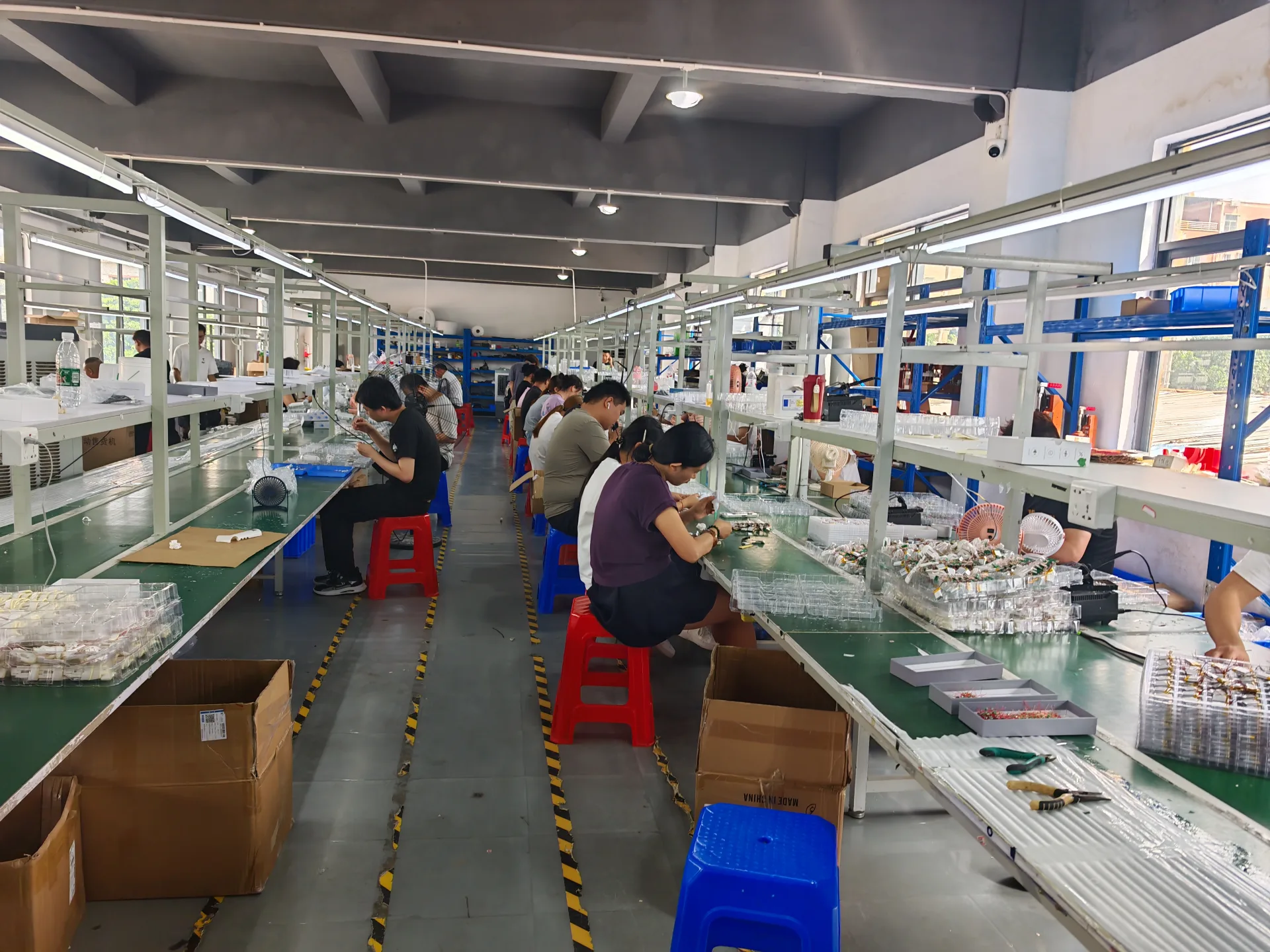
This market gap highlights the value of direct‑from‑manufacturer cooperation. As an original R&D‑and‑production‑based factory specializing in home‑oriented beauty and wellness instrument, DermaRee focuses on developing trend‑forward home beauty device for global B2B partners. Our internal market intelligence team continuously tracks consumer skincare trends across major overseas territories. R&D engineers, industrial designers, structural specialists and QC teams translate those market observations into iterated hardware solutions instead of only reproducing existing mass‑market goods seen on platform marketplaces.
Working with an original factory brings distinct benefits for B2B buyers compared with selecting platform‑top trading‑company listings. First‑hand access to ongoing R&D pipelines lets brand purchasers get early visibility of upcoming instrument before those items flood generic wholesale marketplaces. Buyers gain opportunities for partial‑parameter OEM fine‑tuning or full exclusive ODM co‑development under NDA protection, building unique SKUs that separate their brand from commodity‑style competitors.
Our complete in‑house workflow covers trend research, concept validation, mold iteration, circuit firmware tuning, lab performance testing, multi‑stage quality inspection and bulk‑scale production. Every newly‑developed home beauty device passes comprehensive lab assessment including energy‑output consistency, aging cycle testing, safety‑performance screening and ergonomic user‑experience evaluation. Independent testing‑lab resources ensure finished instrument meet cross‑border market access requirements for different regions.
Direct‑factory cooperation also streamlines project communication. When buyers raise questions about technical specifications, modification possibilities or new‑product roadmap, they communicate directly with our sales‑engineering team who have full access to R&D and production departments. There is no intermediate trader relaying information backward‑and‑forward, lowering misunderstanding risk for OEM and ODM custom projects. Even for ready‑stock bulk‑purchase orders, our multi‑layer pre‑shipment quality‑control system helps maintain consistent unit‑to‑unit performance for home beauty instrument shipments.
It does not mean mainstream B2B platforms hold zero value. They remain useful for spot buying of mature commodity‑type products. Nonetheless, buyers targeting innovative, trend‑competitive home beauty device should balance platform research with direct‑manufacturer evaluation, especially when private‑label customization, technical iteration and differentiated‑SKU building form core parts of their brand strategy.
Q1: What main sourcing risks do B2B buyers face on large B2B procurement platforms for beauty instrument?
A: Platform ranking favors high‑sales‑volume low‑end goods and paid‑ad listings. Many top listings belong to trading companies without R&D capacity. Buyers may select outdated volume‑focused home beauty device and struggle to get technical‑customization support for OEM‑ODM projects.
Q2: What key differences separate original beauty‑device manufacturers from trading‑company suppliers?
A: Real manufacturers own internal R&D, mold‑development, lab‑testing and production teams, supporting product iteration, parameter tuning and exclusive ODM under NDA. Trading firms resell goods from external factories and normally cannot perform deep technical modification for skincare instrument.
Q3: How can B2B buyers identify genuine beauty‑device factories versus traders on B2B platforms?
A: Verify whether the supplier can share R&D lab photos, mold‑iteration records, internal testing‑data documents and on‑site‑factory visiting arrangements. True manufacturers can answer detailed technical questions about home beauty device hardware parameters.
Q4: What benefits do buyers gain by cooperating directly with trend‑focused beauty‑instrument manufacturers?
A: Buyers obtain early access to newly‑developed trend‑oriented home beauty device, available OEM fine‑tuning and NDA‑protected exclusive ODM, direct technical communication and stable multi‑stage quality inspection for bulk shipments.
Q5: Can direct‑factory cooperation replace sourcing activities on mainstream B2B procurement platforms completely?
A: Not fully. Platforms work well for mature commodity‑product spot procurement. For innovative, custom‑required, trend‑forward skincare‑instrument projects, direct‑manufacturer cooperation delivers stronger differentiation and custom‑development capability for brand‑building.
Q6: What kinds of custom‑development support can DermaRee offer for global B2B brand buyers?
A: We provide ready‑stock bulk wholesale, private‑label OEM parameter adjustment, and full‑scale NDA‑protected ODM new‑product co‑development for home‑use beauty and wellness device, backed by internal R&D, design and lab‑testing resources.
If you are a B2B purchaser seeking trend‑driven, newly‑developed home beauty and wellness instrument, or planning OEM & ODM custom‑product development for your brand, feel free to submit your sourcing requirements via our website inquiry‑form. Our B2B sales‑engineering team will share R&D progress updates, product roadmaps and tailored cooperation suggestions within 24 working hours.
No previous article