
27 Aug 2026
R&D Journey: How We Developed KR Tech 7‑in‑1 Facial Boost
For global B2B buyers sourcing home‑use beauty device and skincare instrument, product performance, stable hardware structure and repeatable lab‑verified parameters are critical factors before placing bulk or OEM‑ODM orders. Many professional importers, private‑label brand operators and spa chain purchasers pay close attention to real‑world R&D background instead of only checking marketing copy. This blog shares our full‑cycle development experience of the KR Tech Booster Pro2 dual‑head 7‑in‑1 facial boost device (Model KR‑04), including technology reference, mold iteration, lab performance testing and design trade‑offs during engineering validation. You can view the full product specification page here:https://www.dermaree.com/kr‑tech‑booster‑pro2‑dual‑head‑7‑in‑1‑facial‑boost‑device‑p.html
Learning Advanced Korean‑Origin Skincare Device Technology For Localized Iteration
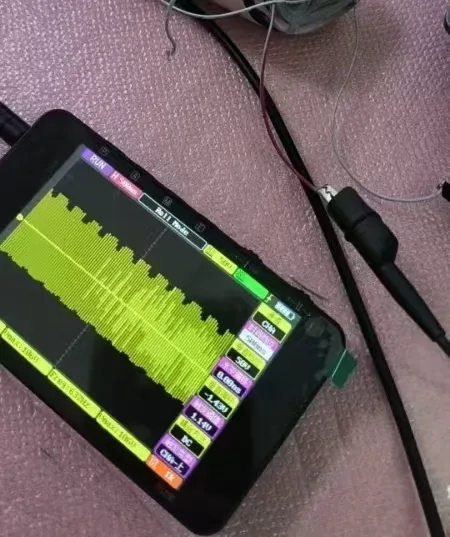
South Korea has long been a pioneer in consumer‑facing professional beauty instrument industry, with mature practical experience on electroporation, microcurrent output logic, mask‑assisted essence penetration and handheld ergonomic design. During the early‑stage research phase of our dual‑head facial boost device, our R&D team studied core technical logic from well‑proven Korean home skincare equipment: how to balance safe‑level micro‑energy output for multi‑skin‑type compatibility; how to optimize probe contact area to raise serum transdermal absorption; how to build multi‑mode switching workflow suitable for both daily home maintenance and salon auxiliary usage.
Instead of simple copying, our hardware and firmware engineers re‑adjusted core parameters targeting global market demands. Many Korean‑market beauty instruments are tuned for local consumer skin features; for cross‑border wholesale clients selling to Europe, North America and Central Asia, energy intensity, probe geometry and operating logic need secondary optimization. Our team performed hundreds of comparative simulation tests, comparing energy uniformity, skin comfort and mode switching response speed. We discarded Bluetooth, mobile APP and AI‑driven modules which may trigger regional compatibility risks, and adopted full physical‑button control architecture to achieve wider global adaptability.
Mold Engineering Iteration & Mechanical Structure Verification
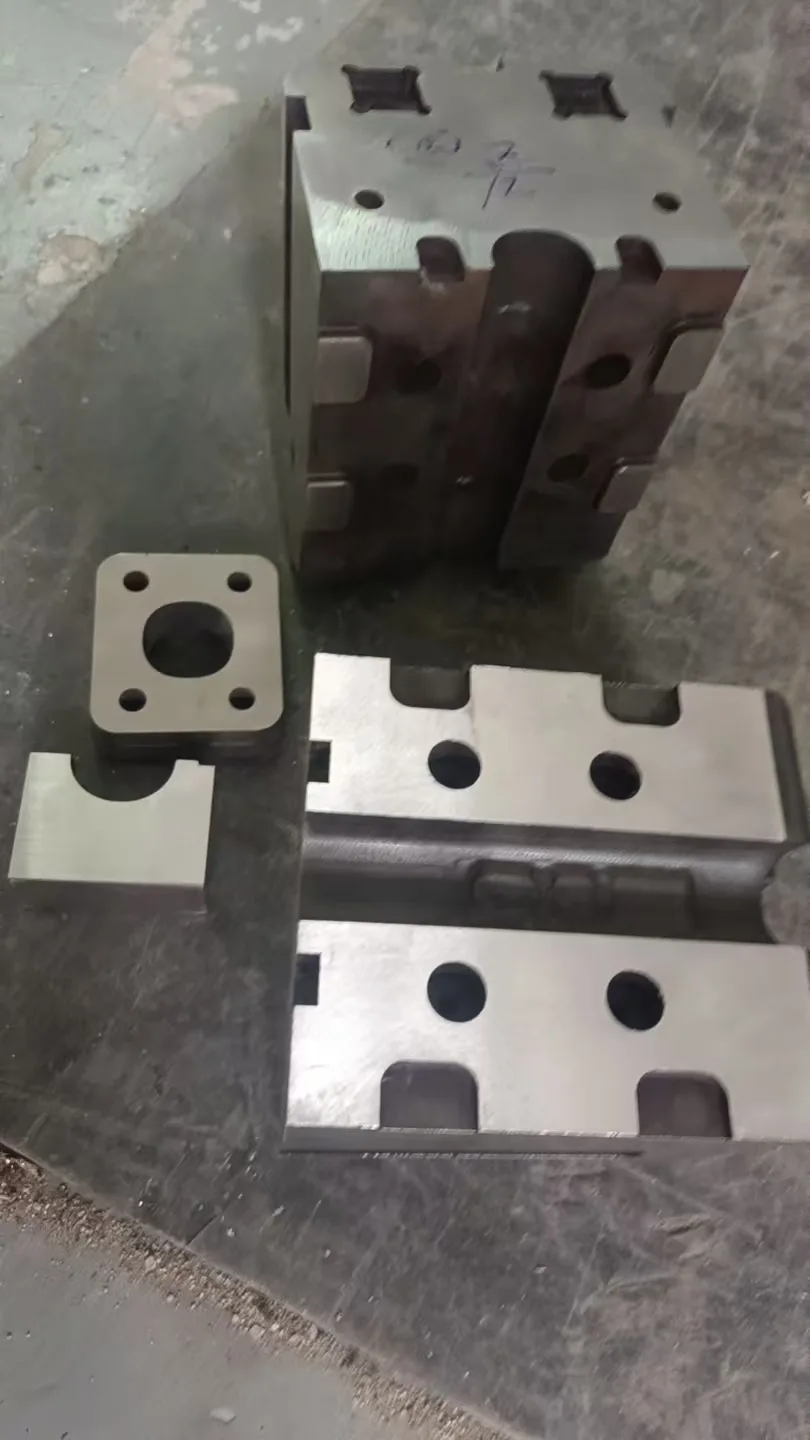
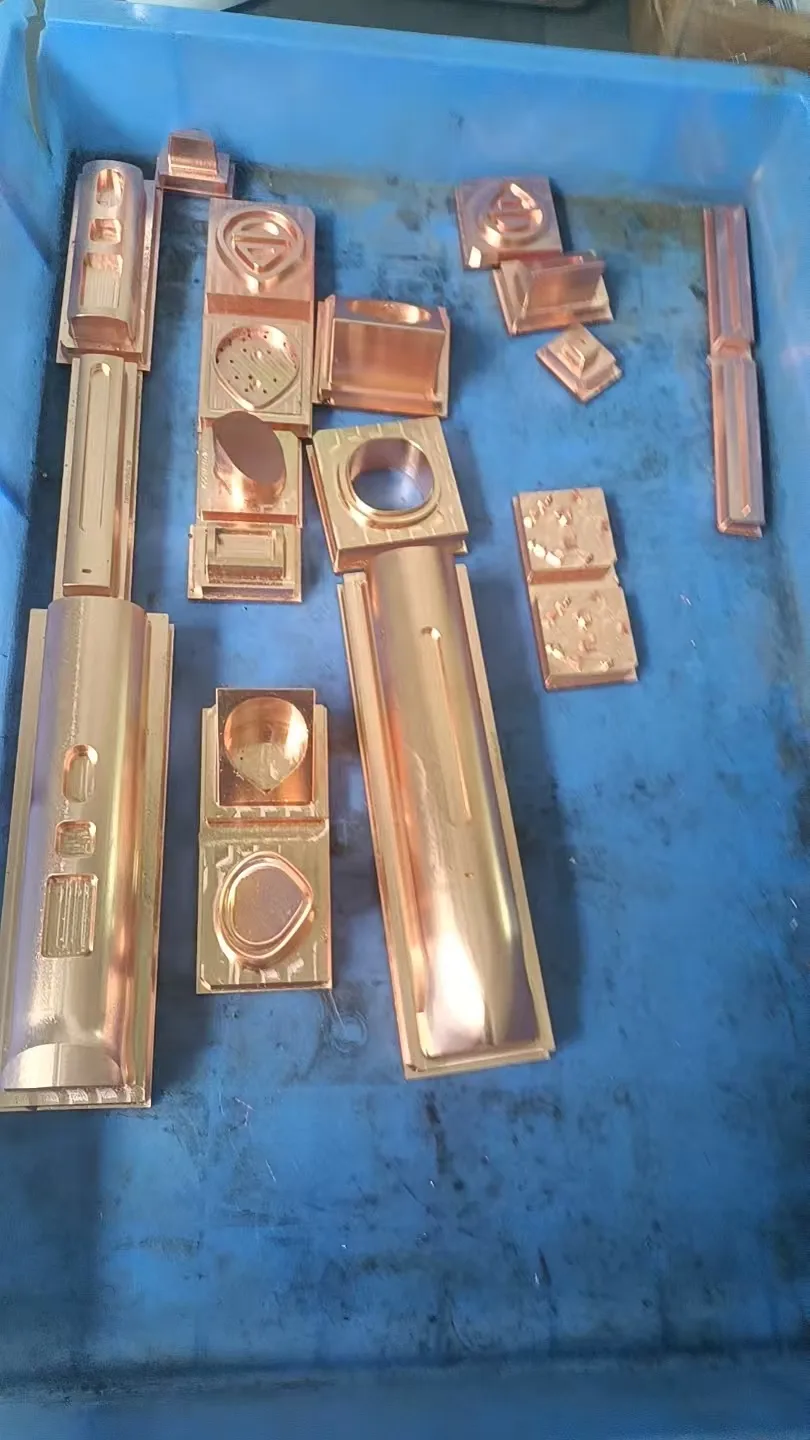
Stable injection mold design is the foundation for mass‑producing consistent beauty device for OEM and private‑label orders. Even excellent electronic solution will bring high defective rate if shell mold, probe mounting structure and button positioning are poorly designed. Our mechanical design team completed 4 major mold revisions for KR Tech Booster Pro2.
The first‑version prototype encountered two obvious defects: dual‑electrode probe shaking under high‑frequency mode, and poor hand‑holding ergonomics for users with larger palm size. Our industrial designers revised shell curve, wall thickness and probe locking mechanism. Every mold revision generated physical engineering samples for real‑world assembly test, drop simulation and long‑time continuous‑on aging test.
We paid special attention to dual‑head probe assembly tolerance. As the core functional component of this 7‑in‑1 facial boost instrument, inconsistent gap between dual electrodes will directly weaken energy uniformity across facial treatment zones. After repeated fixture adjustment, the final confirmed mold can keep probe assembly tolerance within controlled range for large‑batch production, supporting mixed‑color shell customization for private‑label projects. All mold files are internally managed under confidentiality protocol for brand‑exclusive ODM cooperation requirements.
Lab‑Based Parameter Testing & Performance Benchmarking
Hardware parameter validation occupies large proportion of the whole R&D cycle. Before formal mass production launch, every prototype version went through multi‑item lab testing inside our beauty‑instrument‑specialized testing laboratory.
Key test items include:
1. Dual‑electrode energy output uniformity test: verify 2X energy performance compared with single‑head boost device under different intensity gears;
2. Continuous aging test: run 8‑hour non‑stop cycle operation to check circuit stability under high‑load status, simulating salon high‑frequency commercial‑use scenarios;
3. Skin‑simulation fixture test: measure essence‑penetration‑related data for the exclusive sheet mask boost mode, confirming more than 40 % improvement of mask‑serum utilization rate;
4. Full‑gear safety detection: inspect leakage current, over‑current protection performance across all 6 intensity levels, making sure mild output will not irritate sensitive thin skin around eyes and lip contour;
5. USB‑C charging cycle test: validate battery endurance and charging safety for repeated daily charge‑discharge cycles.
Multiple prototype samples showed unsatisfactory test results in early rounds. For example, early sample generated uneven energy distribution under Dual Combined Mode. Firmware engineers optimized timing‑control algorithm, adjusted mode‑switch logic, and re‑submitted samples for retest until all benchmark indicators reached pre‑defined specification standard. Those lab‑verified parameters become fixed production inspection criteria for every batch of finished facial boost device before shipment for wholesale and private‑label orders.
Key Design Trade‑offs Made For Global B2B Wholesale Market
During R&D procedure, our team made several intentional design trade‑offs oriented toward global B2B buyers’ real‑world pain‑points.
First, we removed wireless smart modules. Many home beauty instrument add Bluetooth and APP function, yet cross‑border wholesale buyers often report high after‑sales failure rate caused by system incompatibility, firmware update failure and regional APP‑store access barrier. We moved to pure physical‑button operation, lowering after‑sales service pressure for importers and retail sellers.
Second, we reserved hardware expandability for OEM‑ODM adjustment. While keeping main circuit unchanged, the device supports minor‑parameter tuning for brand clients: adjusting partial‑mode intensity range, custom shell color matching and multi‑language UI text adaptation. This helps startup beauty brands get differentiated product without huge investment of full new‑mold ODM project.
Third, we kept compact USB‑C rechargeable portable form factor. The finished handheld instrument balances salon‑grade stable output and travel‑friendly portable size, which makes this SKU fit diversified sales channels: cross‑border e‑commerce stores, offline beauty spas, and seasonal beauty gift‑set bundling projects.
Frequently Asked R&D‑Focused Questions
Q1: What technical references did you adopt when developing this dual‑head facial boost device?
A: Our R&D team studied proven technical frameworks from Korean‑origin professional skincare instrument, including micro‑current control, electroporation logic and probe ergonomics. All core firmware and mechanical structure are independently re‑engineered and optimized for global‑market wholesale scenarios, not direct copy of existing commercial products.
Q2: Can mold structure of KR Tech Booster Pro2 be modified for exclusive ODM projects?
A: Yes. For brand buyers with ODM demands, we support shell appearance revision, probe‑structure fine‑tuning, together with corresponding new mold development under NDA confidentiality agreement.
Q3: What lab test reports can wholesale or private‑label buyers obtain for this beauty instrument?
A: B2B customers can get summarized lab performance test records covering energy output, aging‑test data and safety‑inspection results, together with global compliance certification documents to support customs clearance and local retail registration.
Q4: Is the dual‑head hardware structure of this facial boost instrument durable for high‑frequency salon commercial‑use?
A: Multiple rounds of lab continuous‑operation aging tests are completed during R&D phase. The final mass‑production version is engineered to handle frequent daily commercial usage inside beauty spas and aesthetic clinics.
Q5: Can key functional parameters of this skincare instrument be adjusted for private‑label OEM orders?
A: Partial‑mode intensity and related working parameters support fine‑tuning for bulk OEM clients. Large‑range core‑hardware modification will belong to full‑scale ODM development scope.
For Wholesale & Custom‑Project Inquiries
If you are sourcing dual‑head multi‑mode facial boost beauty device for bulk wholesale, private‑label OEM or exclusive ODM development, please visit our product page for full specifications:https://www.dermaree.com/kr‑tech‑booster‑pro2‑dual‑head‑7‑in‑1‑facial‑boost‑device‑p.html. Our B2B sales‑engineering team can share further R&D‑related reference material upon business inquiry, to support your brand product‑selection and project evaluation. Submit your sourcing requirement via website inquiry form to get tailored cooperation proposal within 24 working hours.